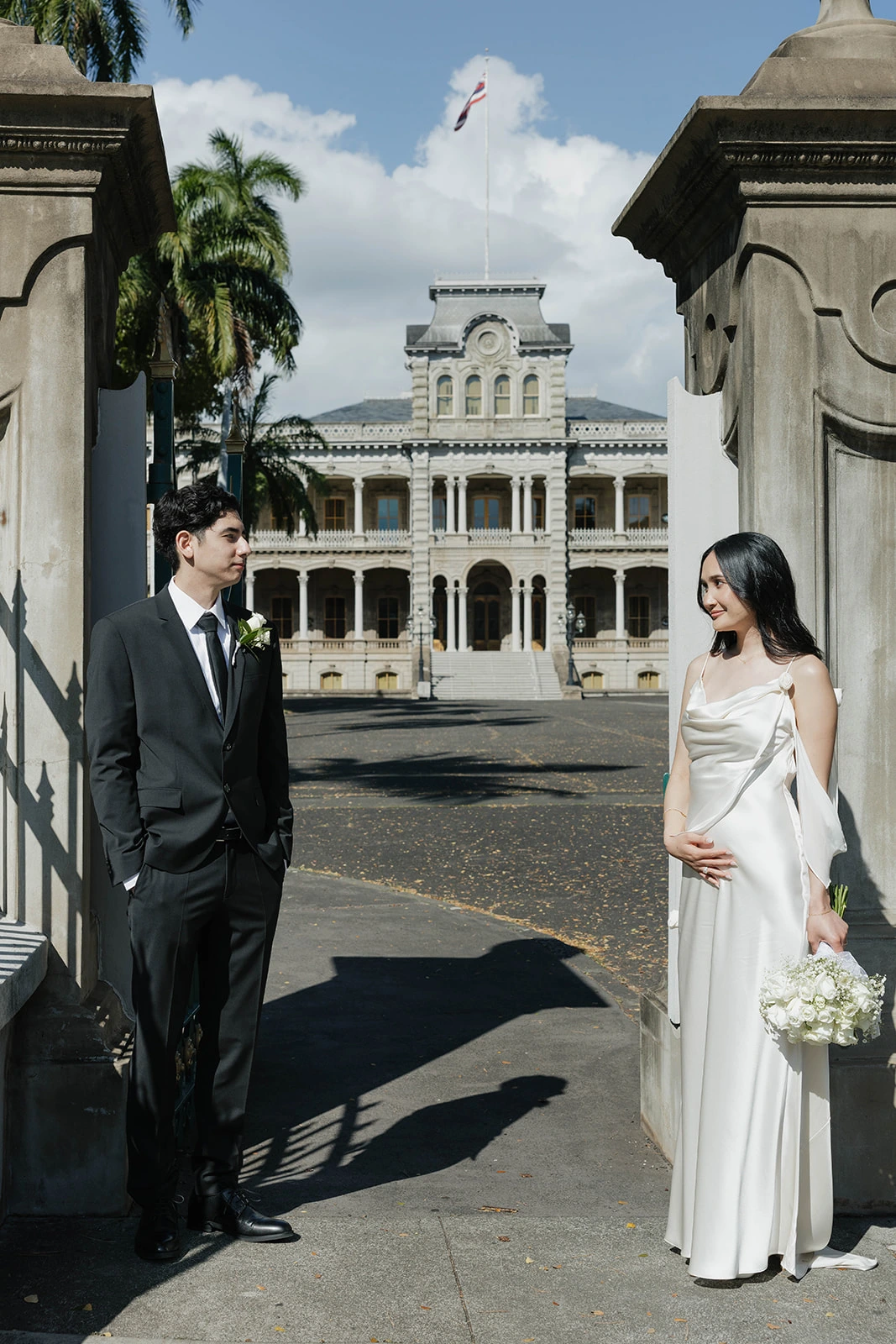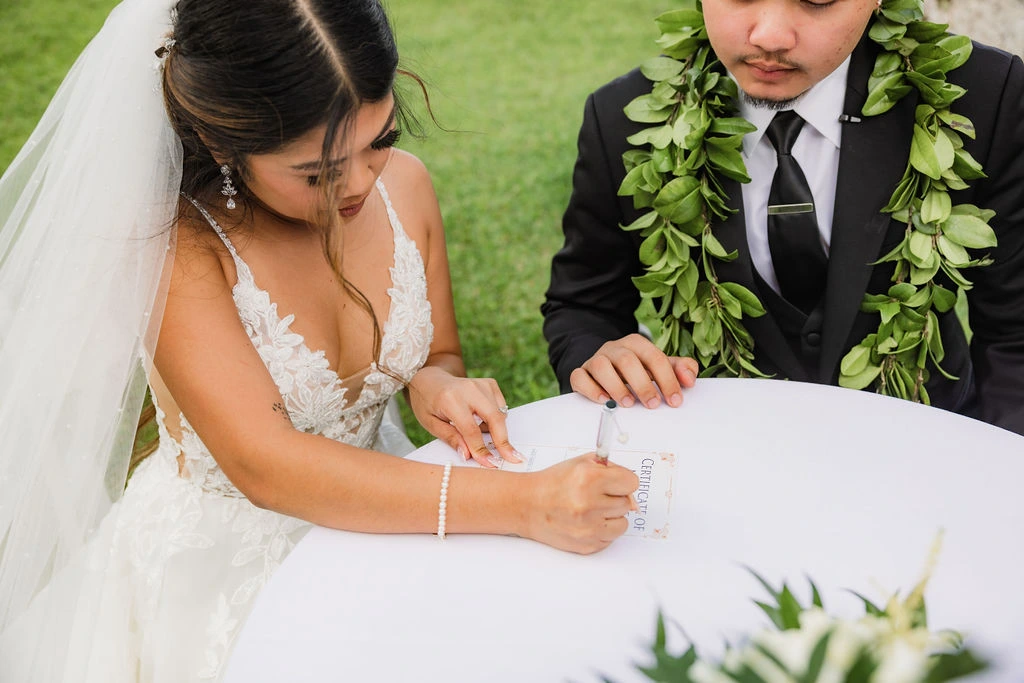
SUMMARY :
What is an Apostille? It is a specific certification required for your Hawaii marriage certificate if you plan to present it for legal purposes in a foreign country (common examples include the Philippines or Mexico). It authenticates the official who signed your document. |
The Problem: Obtaining an Apostille directly through the Hawaii Department of Health is currently backed up and can take 3 months or more. |
The Recommended Solution: To speed up the process to 1–2 weeks, the post recommends using a third-party service rather than waiting on the state. |
• Contact: Nico Vargas at World Class Notary. |
• Phone: 808-304-6900. |
• Note: They offer online notary services if you are no longer in Hawaii. |
The 3-Step Process: |
1. Certify/Notarize: The document must be certified by the document custodian (usually the Health Department) or notarized. |
2. Authenticate: The notary’s signature is authenticated at the circuit court (if required). |
3. State Approval: The document is stamped and signed by the Lieutenant Governor |
What is an Apostille?
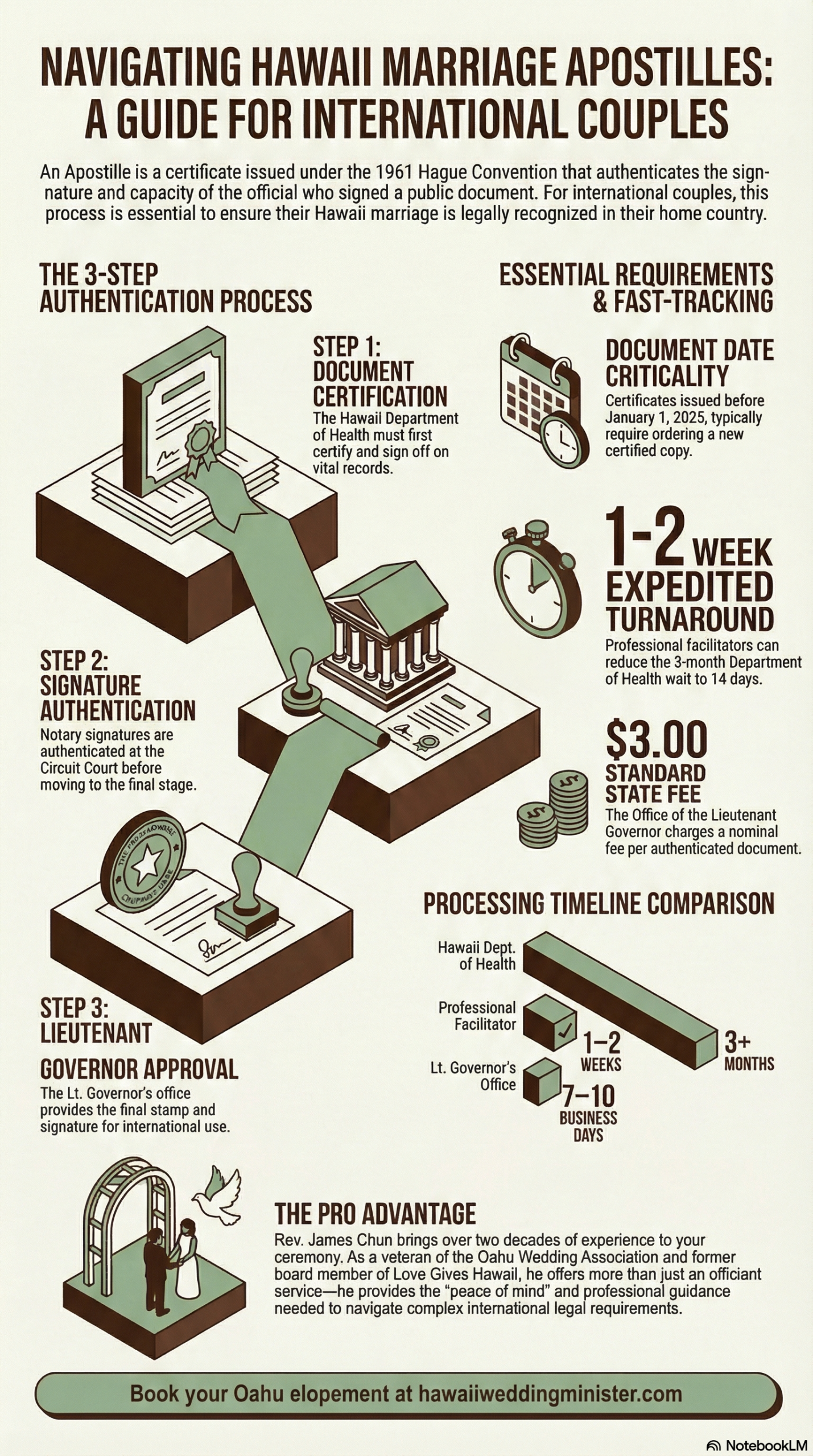
There are three steps to get an Apostille:
- Have the document certified and notarized (if needed) by the document custodian. (For vital records, the Hawaii Department of Health signs off on it. For other documents, the document holder signs off)
- Have the notary signature authenticated at the circuit court, if required.
- Have the document stamped and signed off by the Lt. Governor.
Purpose of an Apostille
Audio Transcript
Hey everyone! I’m Brittany from Hawaii Wedding Studio. Everyone sees the Pinterest perfect sunset on an Oahu beach, but nobody sees the wedding iceberg lurking beneath the waves. Today, we’re diving deep into the bureaucratic nightmare of marriage apostoles, the reality of town versus country ceremonies, and the ninja moves that save your wedding photos from iPhone-wielding relatives. We’re uncovering the secrets to a legal, stress-free elopement right here in Paradise. Alright, let’s get engaged.
SPEAKER_00:Okay, so I want everyone listening to just uh do something for me. Close your eyes, really picture the scene. It’s about 5 30 p.m., the golden hour. You’re standing on this just pristine white sandy beach in Oahu. The Pacific is doing that thing where it, you know, sparkles like crushed diamonds. There’s a soft trade wind, just enough to keep you cool, not enough to wreck the hair. You’re looking into the eyes of your soulmate.
SPEAKER_03:Oh, I am so there. I can literally smell the plumeria and the salt air. That is the absolute dream.
SPEAKER_00:It is the dream. Now, open your eyes because I’m about to set that dream on fire.
SPEAKER_03:There it is. I knew this was going too well. You can’t just let us have the sunset, can you?
SPEAKER_00:I cannot. Because here’s the alternate reality. You’re on that same beach, but you are sweating through your shirt because you just realized you never filed for a right of entry permit. A park ranger is currently writing you a citation that costs more than your wedding bands. Your guests are texting you because they drove to the wrong side of the island. And the absolute kicker, you’re pretty sure your marriage license is just a souvenir because you didn’t get the right stamp from the lieutenant governor.
SPEAKER_03:Okay, you’ve successfully stressed me out. But you’re not wrong. That is the reality gap, right? Everyone pins the fairy tale on Pinterest, but nobody pins the government forms you need to actually make it legal.
SPEAKER_00:Exactly. I’m Sam, by the way, and I’m the guy who reads the terms and conditions.
SPEAKER_03:And I’m Riley. I’m the optimist who believes love conquers all, even bureaucracy. But today we’re sort of combining forces.
SPEAKER_00:We are. Today’s deep dive is all about the um logistics of getting married in Hawaii. We’ve combed through government statutes, reviews, fee structures, and the blog of one specific man who seems to be the fixer for all this chaos, Reverend James Chen.
SPEAKER_03:Reverend James is a really interesting figure in all of this. He’s been a licensed official in Hawaii since 1999.
SPEAKER_00:Since 99. That’s before the iPhone. Before social media ruined weddings. That is a lot of experience.
SPEAKER_03:It really is. And because he’s been in the game so long, looking at his process is actually a masterclass in how to dodge all the red tape.
SPEAKER_02:Yeah.
SPEAKER_03:So we’re gonna look at three things today: the paperwork nightmare that catches international couples, the geography of an Oahu wedding, and then the specific um ninja moves, and I’m using that term literally, that save the ceremony.
SPEAKER_00:Okay, let’s start with the nightmare. Because usually we talk about flowers and cakes. We don’t talk about international treaties, but if you’re listening and you’re from, say, the UK or the Philippines or anywhere outside the US, you need to know about the apostle.
SPEAKER_03:Aaron Powell The Apostle. It sounds so elegant, doesn’t it? Like I’ll have the lobster and an apostle.
SPEAKER_00:It totally sounds like a pastry. Yeah, I’ll take a croissant and uh the strawberry apostol, please.
SPEAKER_03:No, it sounds delicious, but I can promise you it is dry and papery and it tastes like government ink. Exactly. Government ink.
SPEAKER_00:So what on earth is an apostle? Because I looked at the source material from the HCCH, that’s the Hague Conference on Private International Law, and my eyes glazed over immediately.
SPEAKER_03:Oh, it’s dense stuff. But here’s the breakdown. If you’re from a country that’s a member of the 1961 Hague Convention, which is most of Europe, parts of Asia, like the Philippines, Mexico, you can’t just take a U.S. marriage certificate home and expect your government to care.
SPEAKER_00:Aaron Ross Powell They’ll just look at it like it’s a napkin.
SPEAKER_03:Basically. To them, it’s just a piece of paper signed by a guy named James. They need proof that the signature is real and that the document is valid. That proof is a special certificate called an apostle. It certifies the signature and the um capacity of the official who signed it.
SPEAKER_00:Okay, so it’s a stamp that validates the other stamp. It’s a chain of trust.
SPEAKER_03:Precisely. And getting this chain forged in Hawaii is not a simple click and print thing. We looked at Reverend James’s blog post on this, and there are three distinct steps. And honestly, just reading them made me tired.
SPEAKER_00:Walk us through it. I want to feel the pain.
SPEAKER_03:Okay, so step one is fairly standard. You need your document notarized or certified by the Department of Health. Easy enough. Step two, you have to authenticate that notary at the circuit court.
SPEAKER_00:Honey, grab your snorkel gear. We’re going to the circuit court. Nothing says romance like a metal detector.
SPEAKER_03:And then step three, and this is where Hawaii gets unique, you have to take it to the lieutenant governor’s office.
SPEAKER_00:Right.
SPEAKER_03:In most states, the Secretary of State handles this. In Hawaii, it’s the LG.
SPEAKER_00:I loved the specific detail we found about this. It just paints such a picture of bureaucracy. If you want to drop this off in person, you have to go to the state capitol and the parking situation.
SPEAKER_03:Oh, the parking. It’s aggressive.
SPEAKER_00:It’s psychological warfare. The rates are two bucks an hour for the first two hours. Fine. But if you get stuck in line, if you go over two hours, boom, it doubles to$4 an hour.
SPEAKER_03:Wow.
SPEAKER_00:It’s like they know the line is long and they’re just taxing your patience.
SPEAKER_03:It’s a bureaucracy tax. You’re there to prove you’re married and you’re worried about meter money.
SPEAKER_00:But here is the real kicker, and this is the pitfall we promised. Let’s say you decide to mail it in. You think, I’ll just handle this through the standard Hawaii Department of Health channels. Reverend Chun’s blog flagged a massive warning here. The backlog is severe.
SPEAKER_03:How severe are we talking?
SPEAKER_00:Three months or more.
SPEAKER_03:Three months. So let’s play this out. You get married in June, you go back home to, say, Paris. You’re married in your heart, but legally the French government thinks you’re single until September.
SPEAKER_00:Exactly. You are in legal limbo. You can’t change your name, can’t file taxes together, can’t update your insurance. You’re just waiting for an envelope from Honolulu.
SPEAKER_03:That’s unacceptable. If I’m getting married, I want to be married now. So what’s the workaround? Because Reverend James seems to suggest there’s a fast lane.
SPEAKER_00:There is. And this is a key insight if you value your time. Reverend James recommends bypassing the state backlog entirely by using a private expediter. He specifically shouts out a service called World Class Notary run by a guy named Nico Vargas.
SPEAKER_03:Shout out to Nico, the real MVP. Seriously. The difference is staggering. If you use a private service, they physically walk the documents through the steps. They know the clerks, they know the system, they cut that three-month wait down to one or two weeks.
SPEAKER_00:And that is the big takeaway right there. If you need an apostle, do not use the mail. Pay the human.
SPEAKER_03:100%. It costs money, but you’re buying months of your life back. That is the difference between starting your new life immediately and waiting a quarter of a year for a piece of paper.
SPEAKER_00:Okay, let’s step away from the paperwork cliff and get back to the beach. Because once you’ve got the legal stuff sorted, you have to decide where to actually stand and say, I do.
SPEAKER_03:And in Oahu, that’s not as simple as just the beach. I mean, looking at the map, it seems like you have infinite choices, but Reverend Chun categorizes them in a really interesting way.
SPEAKER_00:He breaks it down into town versus country. And if you’ve never been to Oahu, those terms might not mean what you think they mean.
SPEAKER_03:Yeah, town sounds quaint, like a little village with a bakery. Right. But in Oahu, town is Honolulu and Waikiki. It’s skyscrapers, traffic, high-end retail. Lots and lots of people. It’s vibrant, but it’s urban. Reverend James lists Magic Island as a popular spot here.
SPEAKER_00:Aaron Powell We looked at some reviews for Magic Island. It’s beautiful, it’s a man-made peninsula. You get that great shot of Diamond Head in the background. But there was a review from a couple, Vanessa and Tim, that really stuck out. They got married on a Saturday.
SPEAKER_03:A super busy Saturday, I believe, was the quote.
SPEAKER_00:Right. And that’s the trade-off. If you choose town, you are sharing your wedding venue with joggers, people walking their dogs, and tourists in speedos, you are not getting privacy.
SPEAKER_03:Aaron Powell, which brings us to country. In local terms, this is usually heading to the North Shore or the Windward side. This is where the buildings disappear and you get that raw kind of Jurassic Park greenery.
SPEAKER_00:Aaron Powell One of the spots that caught my eye in the sources was the AIA loop trail.
SPEAKER_03:Yes. That sounded incredible.
SPEAKER_00:There was a review from Akatie Pradico. She described it as peaceful and isolated. And for me, that is the selling point. I do not want an audience. I don’t want applause from strangers. I want trees.
SPEAKER_03:And that’s the vibe of the country locations. But we have to talk about the tree house.
SPEAKER_00:The tree house. I honestly thought this was a metaphor when I first read it.
SPEAKER_03:No, it’s a literal treehouse office in Honolulu. Hokulani Capoo Florence wrote a review about it, calling it perfect in every way. So if you want privacy but don’t want to drive an hour to the North Shore, you can literally get married in a tree.
SPEAKER_00:That’s fantastic. But let’s talk about the friction of country weddings. Because they’re beautiful, but they aren’t free. And I really appreciated that Reverend Chun’s website actually lists the prices.
SPEAKER_03:Oh, that’s so rare.
SPEAKER_00:Right. Usually the wedding industry guards pricing like it’s a nuclear launch code. It’s always inquire for quote.
SPEAKER_03:It’s so frustrating. Just tell me if I can afford it. But here it’s transparent. A standard ceremony is$2.99 Monday through Thursday. It bumps to$349 on the weekends.
SPEAKER_00:Which, let’s be honest, is incredibly reasonable. You can’t buy a decent blender for$2.99 anymore.
SPEAKER_03:It is. But and here’s where that country tax comes in, you have to factor in travel fees. If you want him to drive out to the North Shore or Kuoloa, you’re looking at an extra$150 travel fee.
SPEAKER_00:Because gas in Hawaii is not cheap, and neither is time. But there is another fee sort of hidden in the fine print, and this is the one that gets people in trouble. The permit.
SPEAKER_03:The beach permit. This is the big logistics hurdle that most people just don’t see coming. There’s this misconception that because it’s a beach, it’s public, so you can just walk out there and have a ceremony.
SPEAKER_00:It’s nature, man. It belongs to everyone. The sand is free.
SPEAKER_03:Try telling that to the state of Hawaii. Commercial activity on a beach and a wedding counts as commercial because you hired an efficient, requires a permit. It costs about 150.
SPEAKER_00:And if you don’t have it, you can be stopped.
SPEAKER_03:You can be fined. And most embarrassingly, you can be asked to leave in the middle of your vows.
SPEAKER_00:Oh my God, can you imagine? Do you take this man to be your lawfully wait-excuse me, sir? Do you have a permit for that vow?
SPEAKER_03:It’s a total mood killer. And this is why Reverend James’s service is so interesting. He doesn’t just say go get a permit, he includes it. He secures the permit, he holds the insurance, he’s basically your legal shield, so you don’t have to worry about the park ranger.
SPEAKER_00:He’s like a wedding bodyguard.
SPEAKER_03:In a way, yeah. Which leads perfectly into the James Chun factor. Because when we analyze the reviews, and there are mountains of them, the recurring theme isn’t just that he speaks nicely, it’s that he manages the crisis points of a modern wedding.
SPEAKER_00:Okay, let’s talk about crisis point number one. The smartphones. The bane of modern existence.
SPEAKER_03:You spend thousands on a dress, on a location. You walk down the aisle, and what do you see? You don’t see your family’s faces, you see the backs of 50 iPhones.
SPEAKER_00:Oh, it’s the worst. And it ruins the professional photos, too. Yeah. You don’t want a photo of your first kiss with Aunt Linda’s iPad blocking the shot.
SPEAKER_03:So how does Rev James handle this? Because you can’t just confiscate people’s phones, they’ll riot. A review from Trisha Lee Sanchez highlighted his strategy, and I think it’s brilliant psychology. He announces an unplugged ceremony at the start. He tells everyone to put the devices away.
SPEAKER_00:Old move, I like it.
SPEAKER_03:He makes a deal with them. He promises that after he pronounces the couple married, but before the ceremony is totally over, he will pause and give everyone a designated moment to take all the photos they want.
SPEAKER_00:See, that is the genius part. It’s a compromise. He feeds the beast. He says, I know you need your content for Instagram. I will give you your content. But first, give me 15 minutes of focus.
SPEAKER_03:Exactly. It keeps the ceremony sacred, but it doesn’t make the guests feel deprived.
SPEAKER_00:Okay, crisis point number two: the hovering efficient.
SPEAKER_03:Oh, this is a classic.
SPEAKER_00:We’ve all seen these photos. The couple goes in for the big romantic, you may kiss the bride moment. It’s intimate, it’s beautiful. And right there, floating between their heads like a ghost is the efficient. Just smiling awkwardly.
SPEAKER_03:Just staring right into the lens. It totally ruins the composition.
SPEAKER_00:The Reverend James has a technique for this. The reviews call it the ninja move.
SPEAKER_03:Several reviews mention this. Hannah Barnes brought it up. Apparently, right before the big kiss, James literally dives out of the frame.
SPEAKER_00:Dives. Like an action hero.
SPEAKER_03:Well, he steps aside very quickly and discreetly. He knows the script, he knows the cue, and he just clears the shot without being asked.
SPEAKER_00:That shows a level of situational awareness that is just so rare. He understands that he is not the main character. He’s a prop. And when the prop isn’t needed, the prop vanishes.
SPEAKER_03:He’s thinking about the final product. He knows that photo is going on a mantelpiece for 50 years. He doesn’t want to be in it.
SPEAKER_00:And then there’s crisis point number three. Just chaos. General human incompetence.
SPEAKER_03:It happens. Destination weddings are stressful. People are jet-lagged. GPS signals fail.
SPEAKER_00:We saw that review from Candace Shaw. She got lost trying to get her marriage license. She was late to her own appointment.
SPEAKER_03:Or April Laguana, whose guests were running late. Hawaii operates on island time, but traffic jams are very real.
SPEAKER_00:So what happens when the bride is 30 minutes late and freaking out?
SPEAKER_03:This is where the personality scores come in. The reviews consistently describe him as a calming presence. He doesn’t look at his watch, he doesn’t tap his foot, he just waits.
SPEAKER_00:There was a phrase used in one of the reviews, Trisha Lee Sanchez again, who said he gave discreet little cues.
SPEAKER_03:That is huge because when you’re up there, your brain shuts off. You forget left from right, you forget your own middle name. Having someone whisper, okay, take her hand now, or turn towards the ocean, keeps the flow looking natural, even if you’re panicking inside.
SPEAKER_00:It’s cuppeteering, but like subtle puppeteering.
SPEAKER_03:Exactly.
SPEAKER_00:I want to touch on the vibe for a second because you can be efficient and organized and still be a total robot. But the sources suggest he brings a lot of Aloha spirit to the actual ceremony.
SPEAKER_03:He does. Sidney Stotler mentioned the lie ceremony. This is a traditional element where the couple exchanges lays, it really grounds the wedding and the location. It reminds you that you aren’t just in a pretty place, you’re in Hawaii, a place with deep culture.
SPEAKER_00:But the story that really sold me on his character, not just his skill, but his actual character, was the selfie wedding story.
SPEAKER_03:Oh, the couple at the Hilton, Lynn and Steven?
SPEAKER_00:Yeah. Tell us about that.
SPEAKER_03:So this was a tiny ceremony, just the couple, no guests, no photographer, and they were trying to set up a tripod on the beach to video themselves getting married.
SPEAKER_00:Which is just the saddest and most stressful thing I can imagine. Trying to get the angle right in your wedding dress, hoping the wind doesn’t blow your phone over.
SPEAKER_03:Right. And James shows up, he could have just stood there and waited for them to figure it out. Instead, he steps in, he takes their phone, he sets up the shot, he essentially becomes their videographer and photographer for free.
SPEAKER_00:Ray Garfield’s review said something similar. They didn’t pay for any extras, they just wanted to be in the moment, but James took photos for them anyway because he knew they would want them later.
SPEAKER_03:That’s the difference between a vendor and a partner. A vendor says, That’s not in my contract. A partner says, D me the phone, I got you.
SPEAKER_00:And that ties right back to the slogan on his website. It sounds a little cheesy at first read. When you book Reverend James Chun, you’re not just booking a wedding efficient, you’re booking peace of mind.
SPEAKER_03:I usually roll my eyes at marketing slogans, but after reading about the permits, the apostoles, the ninja moves, the tripod assistance, I think he earned that one.
SPEAKER_00:I agree. He’s selling certainty in a very uncertain process.
SPEAKER_03:So let’s wrap this up. What is the big takeaway for our listener who’s sitting there, maybe with a ring on their finger, looking at flights to Honolulu?
SPEAKER_00:The takeaway is that a destination wedding is an iceberg. The pretty part, the beach, the dress, the vows, that is just the tip that you see above water.
SPEAKER_03:And below the water is a jagged mass of paperwork, permits, and parking meters.
SPEAKER_00:Exactly. And you do not want to crash your ship into that. You need a pilot who knows where the ice is. You need someone who knows the Department of Health is backed up, so they send you to a private notary. You need someone who knows the beach requires a permit, so they file it for you.
SPEAKER_03:You want to be the person on the beach hearing the ukulele, not the person arguing with the park ranger.
SPEAKER_00:Precisely.
SPEAKER_03:We always like to end on a fun fact or a favorite quote. And I have to say, the review from Thomas Bragg wins today.
SPEAKER_00:Oh, I know exactly which one you mean. It hit me right in my dad joke’s soul.
SPEAKER_03:It is a pun of the absolute highest order, he wrote, the entire wedding went without a hitch, except for us getting hitched, lolhole.
SPEAKER_00:You have to respect the commitment to the pun.
SPEAKER_03:It’s terrible. I love it. But it actually sums it up perfectly. The only hitch should be the marriage itself. Everything else should be invisible.
SPEAKER_00:That is the goal. Yeah. So if you are planning a wedding in Hawaii, or if you just enjoy hearing about the complex bureaucracy of international document authentication, and hey, we don’t judge, make sure you keep following the deep dive.
SPEAKER_02:And seriously, if you need that apostole, call Nico. Don’t wait three months.
SPEAKER_00:Words to live by. Subscribe for more life hacks and wedding tracks.
SPEAKER_01:Aloha, everyone. A let Navigating the Hague Convention isn’t exactly romantic, but having a partner like Reverend James Chun ensures your only focus is the I do and not the parking meter at the state capitol. If you’re ready to bypass the three month backlog and get back to enjoying your honeymoon bliss, you know where to find us. Check the show notes for our full guide on mastering the Oahu elopement. Until next time, stay salty, stay hitched, and we’ll see you on the sands of Oahu!