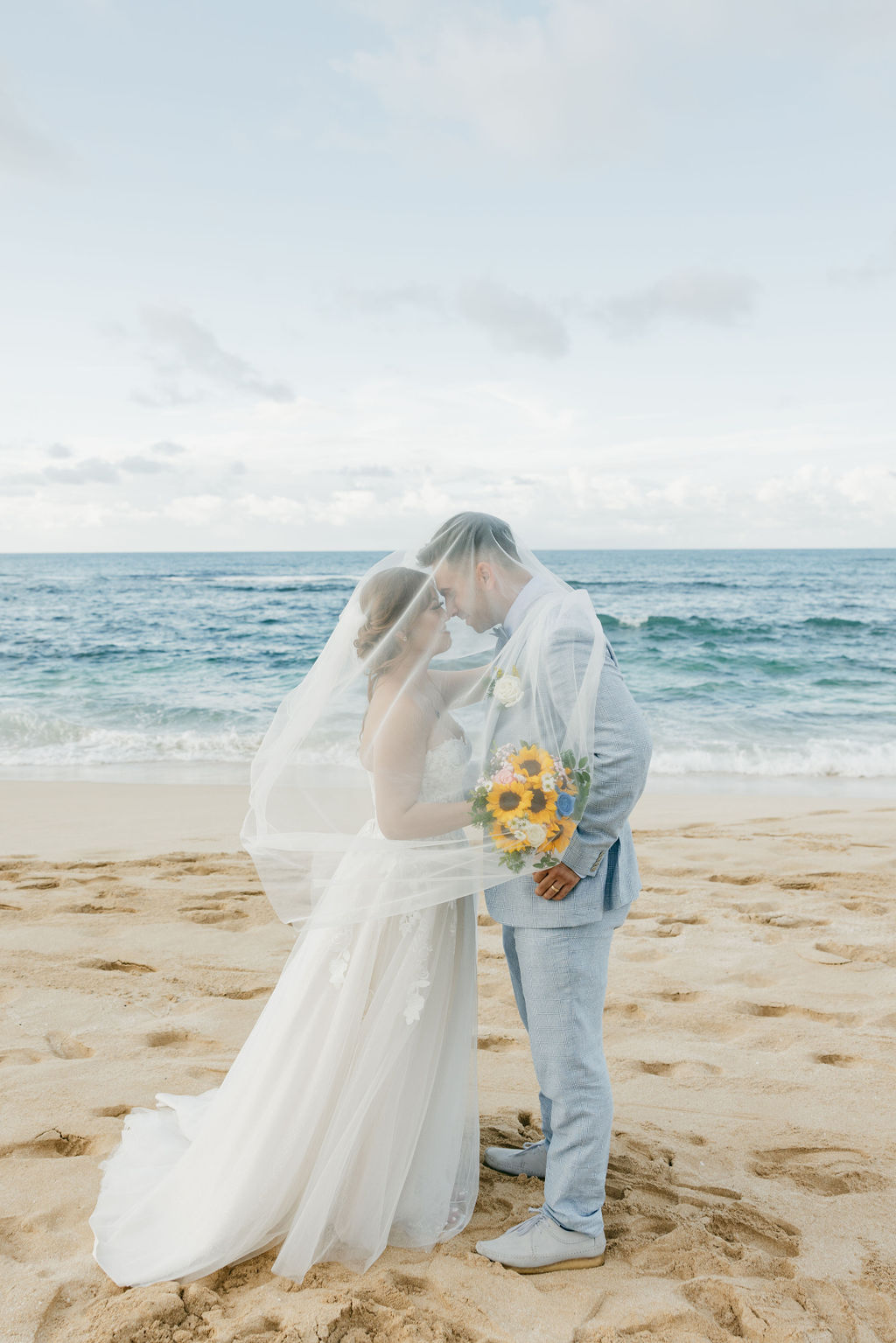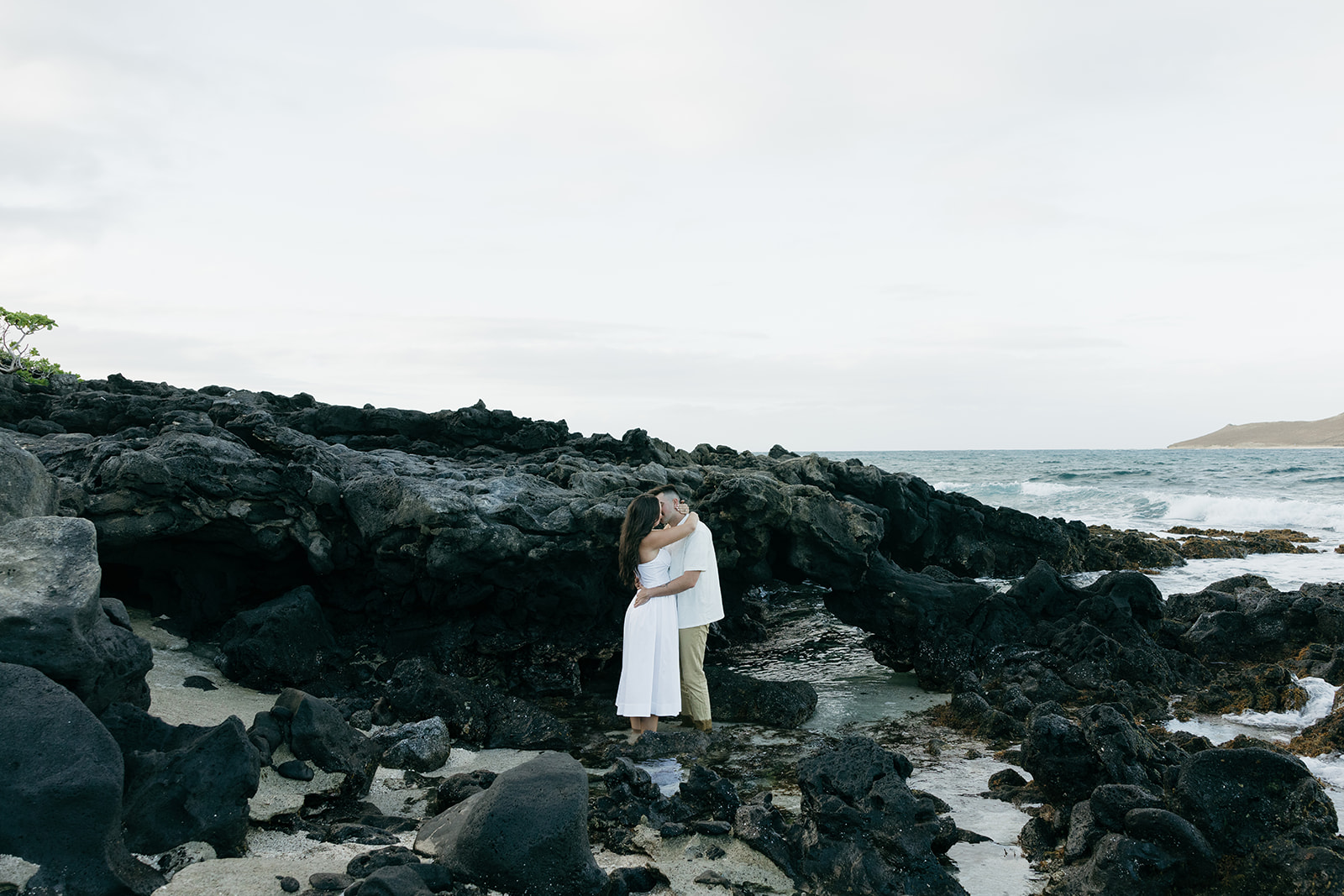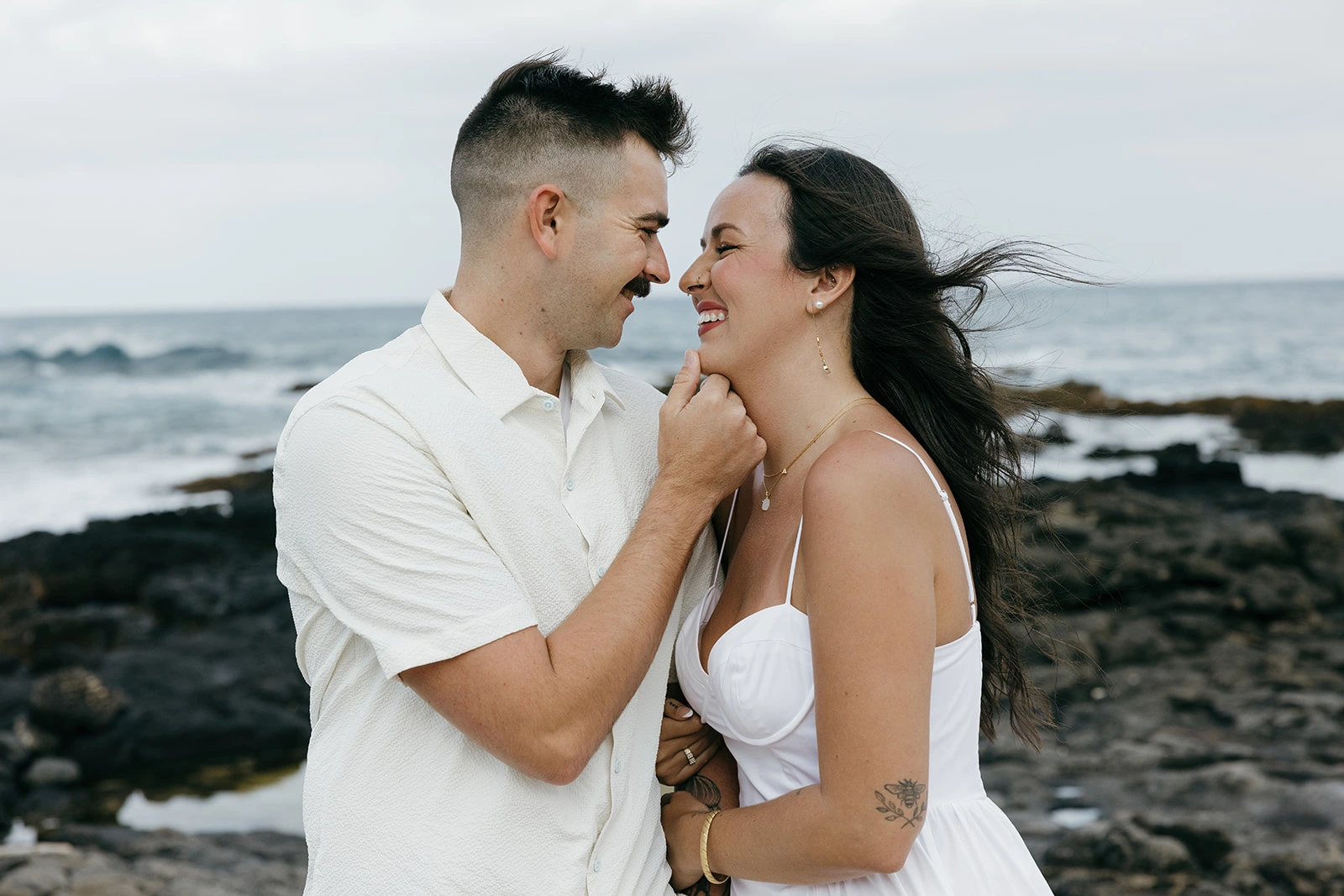
Because Hawaii is such a versatile island, there are many ways you can decide to celebrate your wedding, especially when it comes to the ceremony. One of the biggest decisions you need to make is whether to have a religious or a civil wedding in Hawaii.
For many, Hawaii civil weddings and religious weddings may seem the same, but they do have striking differences. For that reason, we’ll go over the most significant ones so you can decide the right fit for you.
Civil Wedding in Hawaii
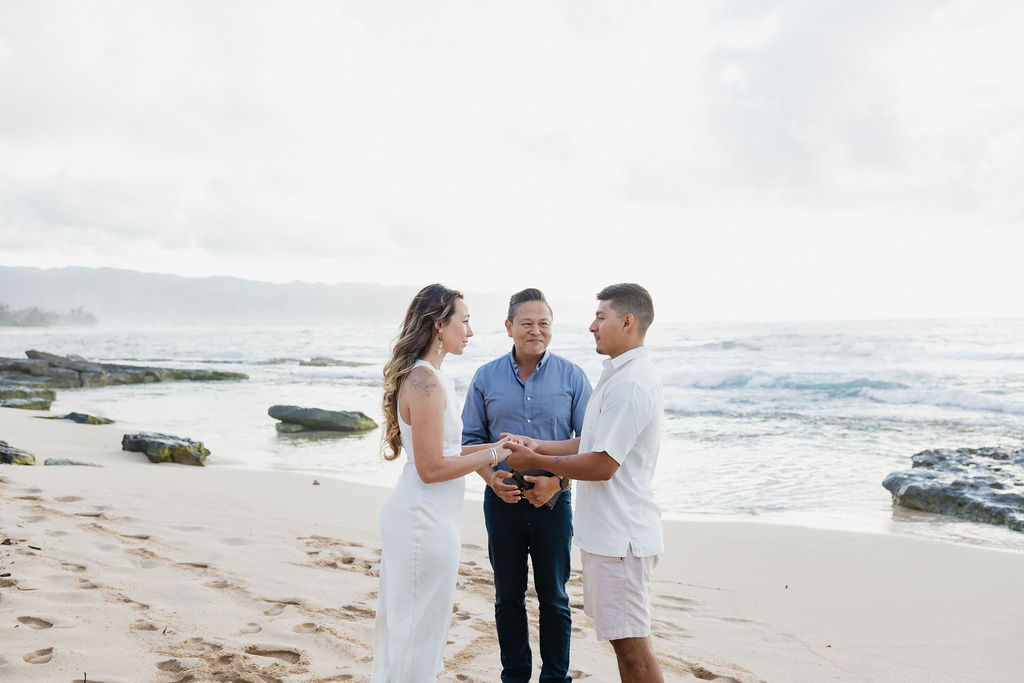
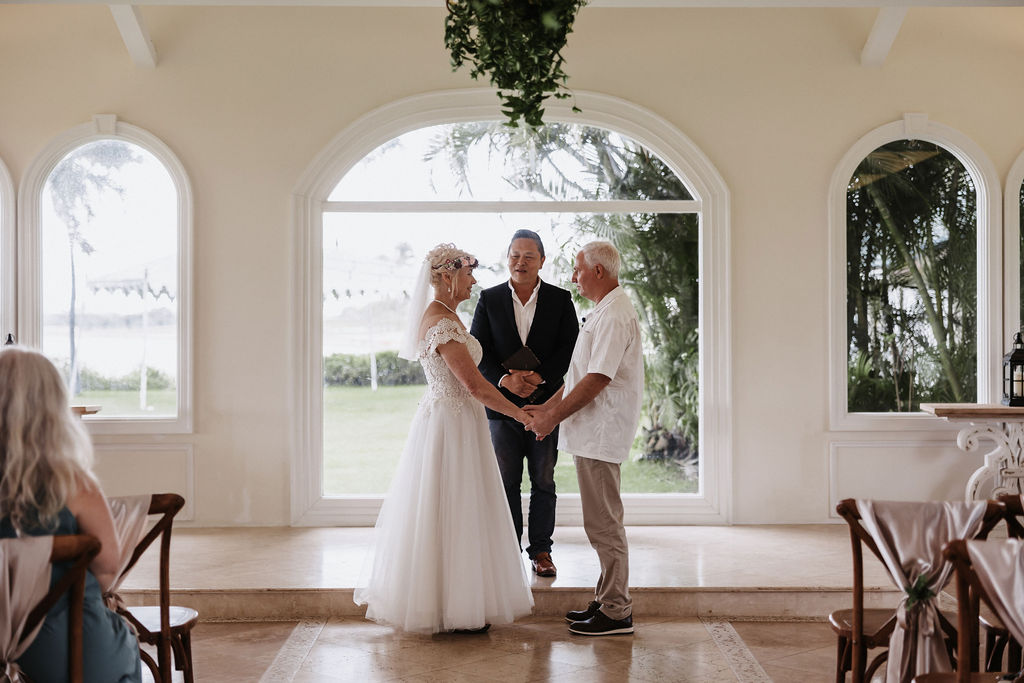
A Hawaii civil wedding is a legal marriage ceremony that can be officiated by a government-recognized official. This means you can choose between a judge, a magistrate, or a licensed civil officiant. The emphasis in a civil marriage is primarily on the legal union and the marriage license process rather than on religious or cultural rituals.
Hawaii civil ceremonies are typically simple, often lasting 10 to 20 minutes. They can be held almost anywhere, including parks, beaches, courthouses, or even private homes. They are most often personalized and intimate, rather than following ceremonial traditions.
Religious Wedding in Hawaii
The other alternative is a Hawaii religious wedding that involves a faith-based ceremony. These celebrations most often include rituals, vows, and traditions specific to a religion or culture. Religious weddings are led by a religious leader (a priest, pastor, rabbi, or other ordaining authority) and are celebrated in a church, temple, synagogue, or another place of worship.
Hawaii religious ceremonies have a formal structure that incorporates sacred readings, prayers, rituals, and music. It’s a great opportunity to reflect the couple’s spiritual beliefs. Religious weddings are the perfect opportunity to involve the family and a larger set of guests, including a reception following the ceremony.
Legal Recognition and Requirements
Certain legal requirements must be met for both types of weddings. You’ll need a valid Hawaii marriage license to be legally recognized.
Hawaii civil weddings are legally binding under state law and have a straightforward process. You need to secure a marriage license and have a licensed official perform the ceremony. The focus is on meeting legal requirements. Civil weddings automatically mean you’ll have a full legal married status.
Hawaii religious weddings are also legally binding, but the ceremony follows religious law and customs. Generally, couples must also obtain a state marriage license, as religious rites alone do not substitute for civil registration. The officiant typically submits the license to the state after the ceremony.
Differences in the Ceremony
Hawaii religious ceremonies are usually longer and filled with spiritual significance. They are more formal, incorporating rituals and traditions that may include symbolic acts such as candle lighting, holy water sprinkling, or communion.
Hawaii civil ceremonies are shorter, simpler, and have no religious content unless the officiant is ordained in a religion but chooses to keep it minimal. The tone is often casual or formal, depending on your preference, but centered on legal vows.
Venue Flexibility
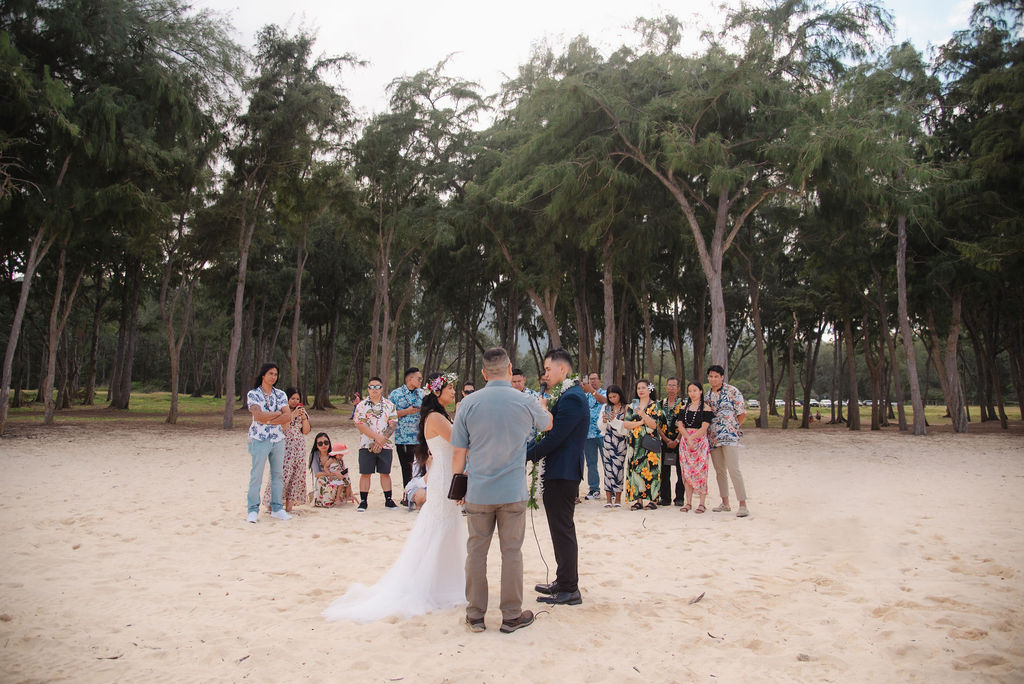
Hawaii civil weddings can take place almost anywhere that allows weddings. These spots include public parks, beaches, private estates, courthouses, or even a quiet backyard. This flexibility appeals to couples wanting a unique or less traditional venue.
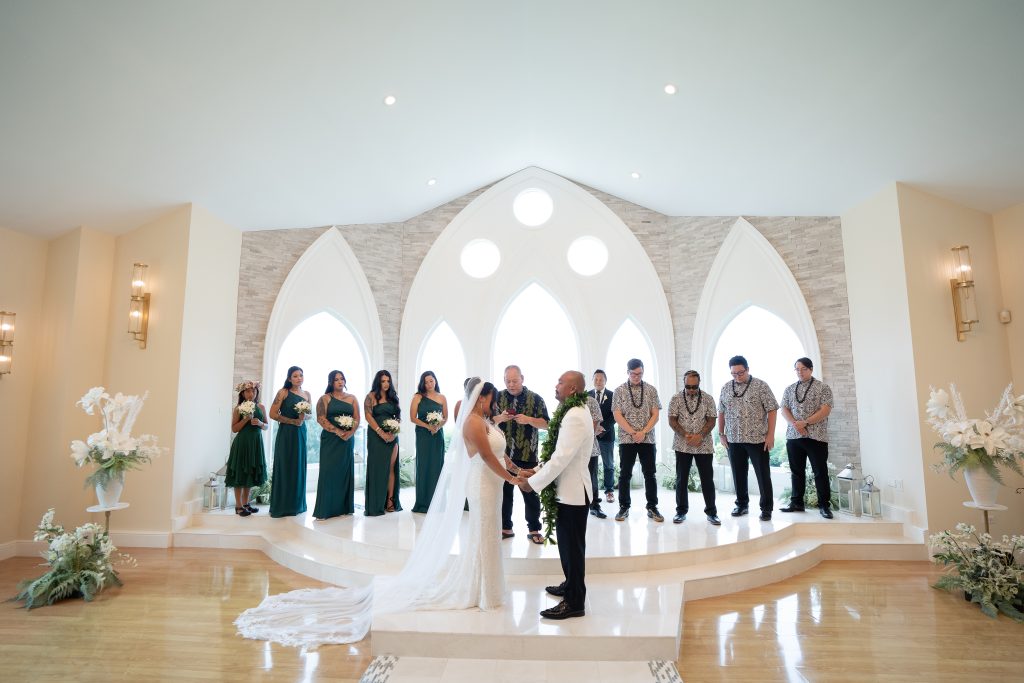
On the other hand, religious weddings are usually held at a house of worship or affiliated property. Venue options may be limited by the religion’s rules on where a wedding can take place.
Cultural Expression
Religious weddings are usually rich in established customs that reflect cultural heritage and faith. Many religious ceremonies follow a set liturgy, but some rituals may be adapted.
Civil weddings offer couples the maximum freedom to customize vows, readings, and music with no mandatory traditions. It’s not uncommon for couples to write their own vows and include non-religious rituals, such as a unity candle or sand ceremony.
Considering the Costs
It’s a well-known fact that Hawii civil ceremonies tend to have a lower cost since you can opt for simple venues and shorter ceremonies. There are fewer mandatory fees beyond the marriage license and officiant costs.
On the other hand, religious ceremonies may involve venue fees for the place of worship, donations to the religious institution, fees for clergy, and often larger receptions. There are all contributing to higher overall costs.
Hawaii Civil Weddings are for:
- Couples looking for a simple legal marriage without a religious ceremony.
- Those who want a quick or simple ceremony, including elopements.
- Couples from diverse or non-religious backgrounds want a secular wedding.
- People who prefer flexible locations and personalized ceremonies without prescribed traditions.
Hawaii Religious Weddings are for:
- Couples wishing to honor and incorporate their faith or cultural practices.
- Families valuing traditional ceremonies with spiritual significance.
- Those seeking a formal celebration within a community of shared beliefs.
- People who want their union blessed with a religious leader’s guidance.
Combining Civil and Religious Elements
Some couples choose to honor tradition and personal taste by having a civil wedding legally to satisfy state requirements. This is then followed by a religious or symbolic ceremony later with family and community. It’s a way to allow flexibility while respecting the emotional and spiritual importance of marriage.
Choosing the Right Officiant
Selecting the right officiant matters, whether you choose a civil or religious wedding. Experienced officiants like Rev. James Chun, who are licensed in Hawaii, provide warmth, professionalism, and cultural sensitivity. They navigate legal requirements smoothly and can customize ceremonies to reflect your religious or secular relationship.
Conclusion
Hawaii is known for welcoming love in all its forms, with its spirit of aloha. This is why it’s the perfect spot for couples to marry in a civil or religious ceremony. Knowing the differences between civil and religious weddings helps you clarify your vision and budget.
Fill out our contact page to connect with Rev. James Chun, your trusted Hawaii wedding officiant. Or explore our Locations and Wedding Packages to find settings and options that perfectly fit your ceremony style. As always, for more ideas, check out our blog!